Tongits: Philippine Card Game Guide
Tongits is a Filipino card game built around drawing, discarding, and arranging cards into valid groups. To understand a round, follow the table’s dealing and turn rules, check the displayed scoring conditions, and decide whether the pace is right for you before committing to a stake.
On jil29, Tongits is listed in the cards category. This guide explains the basic sequence and decision points; the exact digital table rules shown in the game should always take priority over general descriptions.
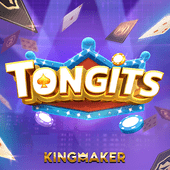
A Tongits Demo, if the lobby provides one, can help you locate controls and read the interface without treating practice outcomes as a prediction. Use a demonstration to learn, not to estimate guaranteed wins.
Other card picks alongside Tongits

How a Tongits hand moves from deal to finish
In brief: a typical Tongits hand proceeds from a deal to turns in which players draw and discard, while attempting to form valid combinations and manage unmatched cards. A hand ends according to the table’s stated finish conditions, so read those conditions before your first move.
- 1. Deal and review. Players receive cards according to the active table format. Take a moment to see your hand and identify possible sets or runs before acting.
- 2. Take a turn. Depending on the game’s interface and turn order, draw a card from the available source, consider whether it improves a combination, then discard one card as required.
- 3. Arrange combinations. Valid groups generally involve matching ranks or a sequence in one suit. Verify the platform’s exact rules for laying down combinations and adding cards to existing groups.
- 4. Resolve the hand. A round may conclude when a player empties their hand, calls the stated finish, or when the draw pile and table conditions trigger an end. The game screen determines scoring and settlement.
The sequence is a learning map rather than a substitute for the digital table’s rule panel. Variants can change how a call is made, which combinations count, and how a hand is scored. Read the current instructions each time you encounter a new format.
What makes Tongits a distinct card experience
Tongits combines hand-building with turn-by-turn choices. The core challenge is not just receiving useful cards; it is deciding what to retain, what to discard, and how to respond to the changing table. Players who enjoy a measured card game may appreciate this balance of planning and uncertainty.
- Readable turn rhythm: draw, assess, and discard are clear actions that help new players follow the hand.
- Combination planning: matching groups and sequences reward attention to the cards already held.
- Table awareness: the public discards can inform choices, but they do not reveal every card or guarantee an opponent’s next move.
- Uncertain outcomes: strategy can shape decisions, yet the cards dealt and future draws remain outside a player’s control.
Compared with a slot, a cards game involves repeated decisions about a shared hand and turn order. That difference is about the experience, not a claim that one format is more profitable or predictable. A jil29 game should be selected for the rules you understand and the time you want to spend.
Tongits basics that are easy to miss at first
Start by learning the table, not by rushing your first decision. A beginner benefits from checking the hand limit, turn timer, combination rules, and how the game signals a valid action. These details can differ across digital versions.
Understand melds and unmatched cards
A meld is a valid combination defined by the rules. Cards that do not belong to a meld remain unmatched and may affect a hand’s outcome under the displayed scoring method. Do not assume a combination is accepted simply because it looks familiar; use the game’s visual confirmation and rule guide.
Pay attention to discards without over-reading them
The discard area provides clues about cards no longer available from that pile, but it is only part of the information. Opponents hold private cards and may make unexpected choices. Keep observations modest and avoid treating a short sequence as certainty.
Check the session setting before joining
Review the table’s stake, any entry conditions, and the way a result is settled. If the cost or rules are unclear, leave rather than guess. A Tongits Demo may help with button placement if available, but its practice mode cannot guarantee how paid play will turn out.
For a related Filipino card-table format, compare the rules of 32 Baraha separately. Knowing that both are card games does not mean their deal, valid hands, or scoring are the same.
Practical Tongits tips for calmer decisions
The most useful tip is to make a plan before the first hand. Set a budget and a time limit, then focus on the visible rules and the current cards rather than trying to recover a previous result. No strategy can guarantee a win.
- Read the rules once carefully. Learn the accepted combinations, action order, and hand-ending conditions before playing for a stake.
- Keep your hand organized. Group possible sequences and matches mentally so each draw is easier to evaluate.
- Compare the card’s value to its risk. A card that might complete a set may also remain unmatched; balance that possibility against what you know.
- Use the turn time sensibly. Make a considered choice, but do not let a timer pressure you into raising your stake or continuing beyond your limit.
- Stop at the limit you set. Wins do not make the next hand certain, and losses are not a reason to chase.
A simple notes habit can help: after a session, remember which rule was unclear and review it before next time. Do not use a personal streak or a previous hand as evidence that a specific card is due. The game remains uncertain even when decisions are thoughtful.
Tongits compared with other game choices
Choose by format and rule comfort rather than promises. Tongits places attention on card combinations and turns. A slot such as Fortune Gems 2 uses a different round structure, while a live table such as 32 Baraha has its own procedures. Each should be understood on its own terms.
If you want to browse a separate slot experience, the Fortune Gems 2 game guide explains that title’s format. Its mechanics, stakes, and outcome patterns are not interchangeable with Tongits.
Consider these questions before choosing:
- Do I understand how a turn works and what ends the hand?
- Does the displayed table cost fit a budget I can afford to lose?
- Can I stop at a planned time without feeling I must win back money?
- Have I checked any relevant jil29 payments and account terms before proceeding?
The comparison is about pace and interaction only; it is not a ranking of earning potential. Practice may improve familiarity with controls, but neither it nor prior outcomes establishes a future result.
A short Tongits plan before you begin
In summary: identify the rules, follow the draw-and-discard turn structure, form valid combinations where possible, and stop according to a preset time and spending limit. That sequence is the clearest way to approach Tongits without mistaking strategy for certainty.
- Read the rules and know how the current table ends a hand.
- Confirm the stake and set a firm personal budget before joining.
- Evaluate each draw using the cards and public discards you can actually see.
- Pause or leave when your planned limit is reached, regardless of recent results.
A Tongits Demo is useful only as a way to become familiar with available controls if one is offered. For paid play, follow the current game information and platform terms. Play only where permitted, and do not play with money needed for essentials.